
Writing Without a Writer
Authorship with AI

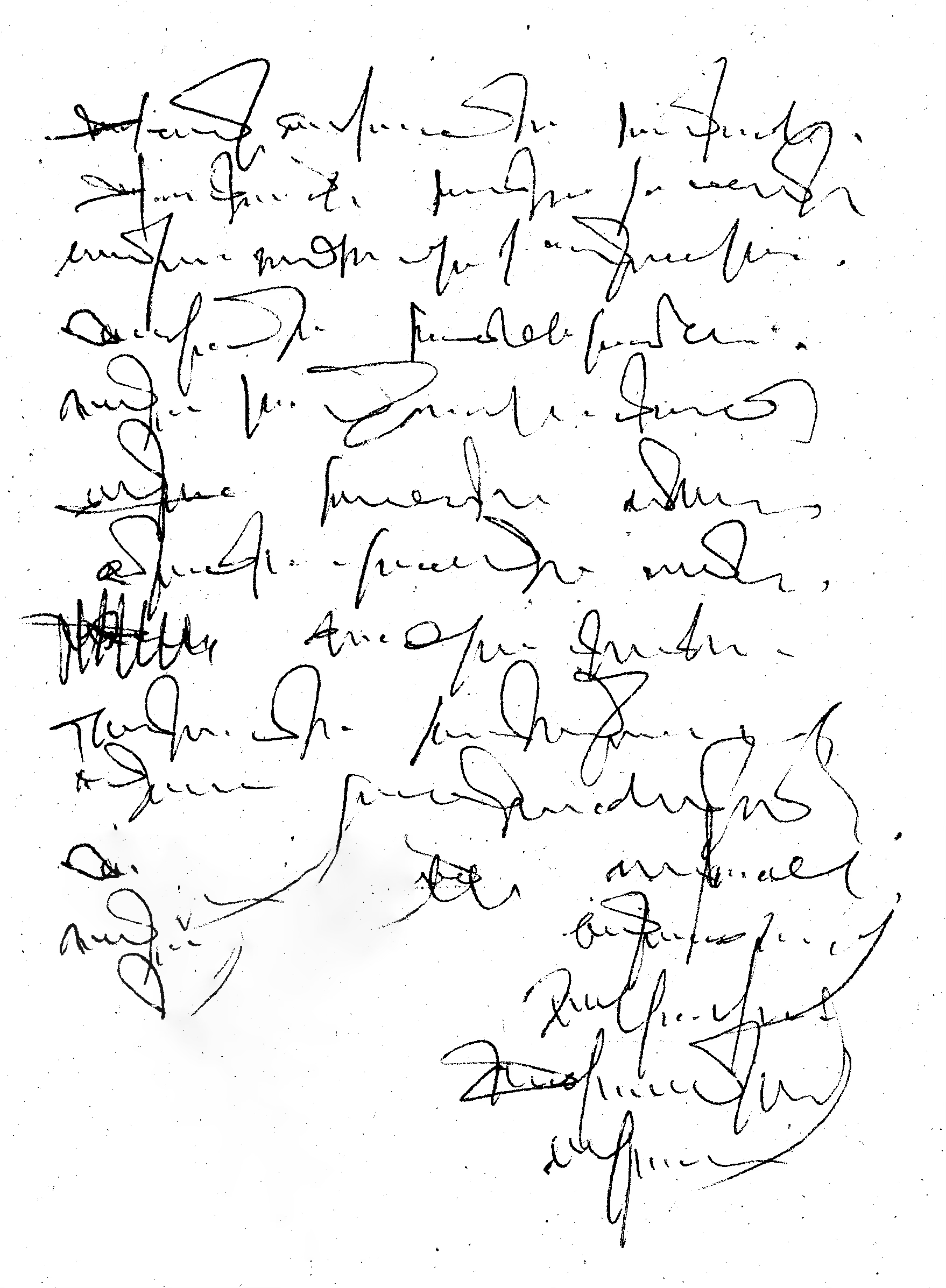
Émile Zharan, N.A.S.T.R.O., edited by Federico Federici, English | Italian edition. Also available on Lulu.
This project examines how artificial intelligence reshapes traditional and experimental notions of authorship, situating writing within a new dialogue between human intention and algorithmic response. Historically, the author has acted as the stable axis mediating between writing and reading, grounding meaning while leaving its evolution to interpretation. With the advent of AI, this balance shifts: the author becomes a composer of instructions rather than of words, crafting neutral yet precise prompts to orient the model’s responses. Through iterative exchanges, the process mirrors poetic collaboration—an act of bending the machine’s linguistic matter toward a humanly desired form.
This negotiation foregrounds the relational dynamics between human and nonhuman agencies, and reopens questions central to British and Irish literary modernism: the limits of voice, authorship, and originality in an era of mechanical reproduction. From Beckett’s reduction of language to Joyce’s algorithmic excess, a lineage of writers has already rehearsed the displacement of the authorial “I” and the decentralization of meaning that AI now renders technically manifest.
The experiment reveals both continuity and rupture. While AI can emulate stylistic patterns with increasing precision, it remains blind to sense and unable to reproduce the tactile, material intelligence of human inscription—the gestural depth seen in asemic or visual poetry. The resulting works mark a threshold between code and body, suggesting a future in which writing might evolve through new forms of hybridization, extending tradition of formal experimentation into the post-human domain.